

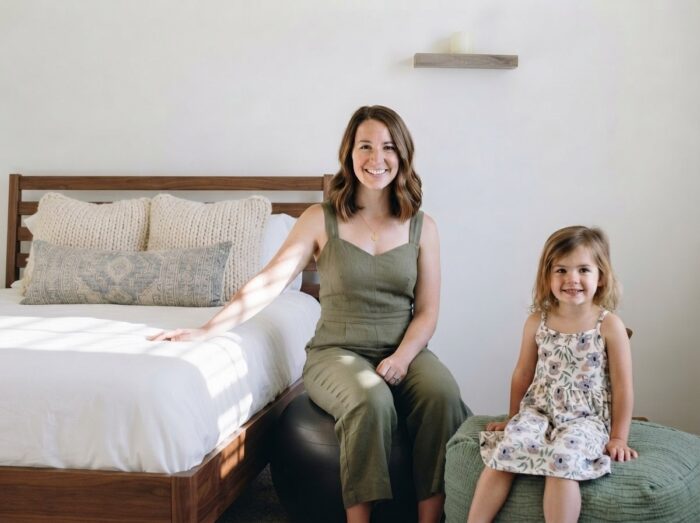
School holidays are coming up soon! I have already arranged my older kid’s school transition holiday plan set, so now I’m shifting my attention to the little one. He hasn’t started preschool yet, but that doesn’t mean we cannot make the most of these weeks. Each day offers opportunities to help us learn and grow as one—be it heading outdoors for an adventure, sharing a warm storytime, or merely enjoying precious moments with your child. I’m sharing our holiday plan for my youngest child on this page—perhaps it will inspire some ideas for your family, too.
To be frank: once the holidays begin, many parents sense that combination of joy and subtle anxiety. Out of nowhere you find yourself with the kids almost all day long, constantly reminding them to get out of bed, have their meals, complete their homework, go to bed—everything else. You know, many of us worry that if our kids just play all day, they’ll lose their progress or get behind once school kicks off again.
However, if you see it like that, it’s simple to get caught in a loopa pattern of complaining and irritation, and the holidays begin to seem like a burden to everyone. Well, how can you end the shouting and genuinely make these weeks productive, rather than merely endless, unplanned playtime?
The 3 Hidden Traps of a Lack of Routine
Here is the true answer: First, it’s not the act of playing that prevents children from progressing. The problem is a total lack of structure.
As a second point, structure is not only concerned with occupying every hour with activities.
Once school is over, “lack of routine” often appears as overlooking three key things:
A quirky routine. Being awake late and sleeping late for several days doesn’t always look like a serious issue, but studies on the brain indicate that irregular sleep schedules might really disrupt kids’ focus and emotional self-control upon going back to school.
Undiluted dopamine. If no boundaries are established, kids typically rush to anything that provides the fastest dose of fun—such as YouTube, TikTok, and video games. As they become accustomed to these feel-good activities, the more difficult it becomes for them to appreciate things requiring time and patience, such as reading or studying.
Lack of clear aims. Starting the day without any plans is relaxing at first, yet it often ends up as boredom and lack of direction—which drains motivation.
Rethinking “Structure”
The fact is, planning doesn’t mean an overloaded, tightly controlled timetable. Quite a few of us hear the word “structure” and instantly imagine consecutive lessons: math class at nine, reading at ten o’clock, science at eleven o’clock. That’s not structure. That is simply stress.
Structure basically means allowing children a degree of freedom, but under a framework of clear, soft limits.
3 Principles for a Sanity-Saving School Holiday Routine
School holidays are intended for taking it easy, refreshing, and having fun—not to replicate a school day at home. So, how can you create a holiday routine that truly ensures everyone happy and productive? Rather than micromanaging everything, consider focusing on three basic principles:
1. Protect the Basics (Sleep and Screen Time)
You don’t have to stick to the same rules as you do in the school year, however, you still require a reliable framework.
- As for sleep, perhaps allow your children to sleep longer roughly an hour more than normal, however, don’t flip day into night.
- When it comes to screens, choose an appropriate daily limit—for example, two hours—and allow your child to decide how they want to use it.
2. Set 3 Simple Holiday Activities per Day
Then, choose three top priorities each day—not more than that. Kids do better when they are able to concentrate on several meaningful tasks rather than attempting to do all things simultaneously.
For example:
- Complete the day’s holiday tasks.
- Spend 45 minutes of physical activity—taking a swim, playing soccer, riding bikes, anything that keeps them active.
- Read thirty pages from the booka book they find interesting.
After those are completed, the rest of today is theirs. They can enjoy playing, take it easy, or simply hang out—without your reminding them regarding the next item on the list every few minutes.
3. Leave Room for Boredom
Finally, allow space for boredom. Honestly, don’t worry if your kid says they have “nothing to do.”
Research shows that when the brain is at rest, imagination takes over. That is the moment the greatest ideas come to mind—constructing an imaginative LEGO universe, sketching, following ants around the yard, creating games from thin air. Allow them to gaze at the ceiling, let their minds wander, and see what happens. This is the place where their creativity really comes alive.
So, with a bit of preparation, here’s wishing for holidays abundant in freedom and meaning. In the end, at times the most treasured memories come from the moments between tasks—as well as the small surprises that happen when children are simply allowed to be themselves.